


Lighting Up Swine Success: Better Hog Health, Lower Stress, Higher Returns
Lighting was long ignored in swine production. Basics like ventilation and feed came first; lights were mere worker aids. "Good enough" meant navigable for humans, not optimized for hogs.
In today's pork industry, that's changing fast. Specialised LED lighting for swine facilities is now a proven management tool, a driver of animal welfare, and a contributor to better performance and profits. Industry experts know proper hog barn lighting goes beyond brightness; it's about behavioural stability, stress reduction, and optimised outcomes in large-scale operations.
In this post, we'll explore why lighting for piggeries deserves a spot alongside core infrastructure elements. Drawing from real-world case studies and industry insights, we'll delve into the impact of photoperiod management on swine welfare, how durable piggery lighting solutions combat harsh hog barn conditions, and the tangible ROI on lighting upgrades in weaner facilities.
Whether you're managing a high-volume commercial swine herd or optimising feed conversion ratios in hog production, understanding these benefits can transform your operation.
1. How Lighting Shapes Hog Behaviour and Welfare
Hogs are incredibly sensitive to their surroundings, and lighting plays a pivotal role in shaping their daily lives. Key factors like light intensity, uniformity, day-night cycles (photoperiod control), shadow contrast, and overall pen stress levels directly influence swine behaviour.
Inadequate lighting in hog barns can lead to significant issues:
- Dark corners and uneven shadows that heighten stress and anxiety.
- Poor visibility among pigs, fostering nervous behaviours.
- Increased aggression, including abnormal activities like tail biting - a common problem in intensive swine production.
Conversely, when you implement uniform, balanced, and stable specialised LED lighting for commercial swine farms, the results are transformative. The pigs:
- Settle into routines more easily.
- Feed with greater consistency, potentially improving feed conversion ratios in swine production.
- Exhibit reduced stress responses.
- Show lower rates of aggressive interactions.
Lighting for swine farms transcends mere visibility; it's essential for environmental stability, particularly in large-scale facilities where the behavioural benefits of uniform lighting in pig housing can prevent costly welfare issues. Industry experts searching for ways to minimise stress in commercial swine herds often turn to photoperiod management on swine welfare as a proven strategy.
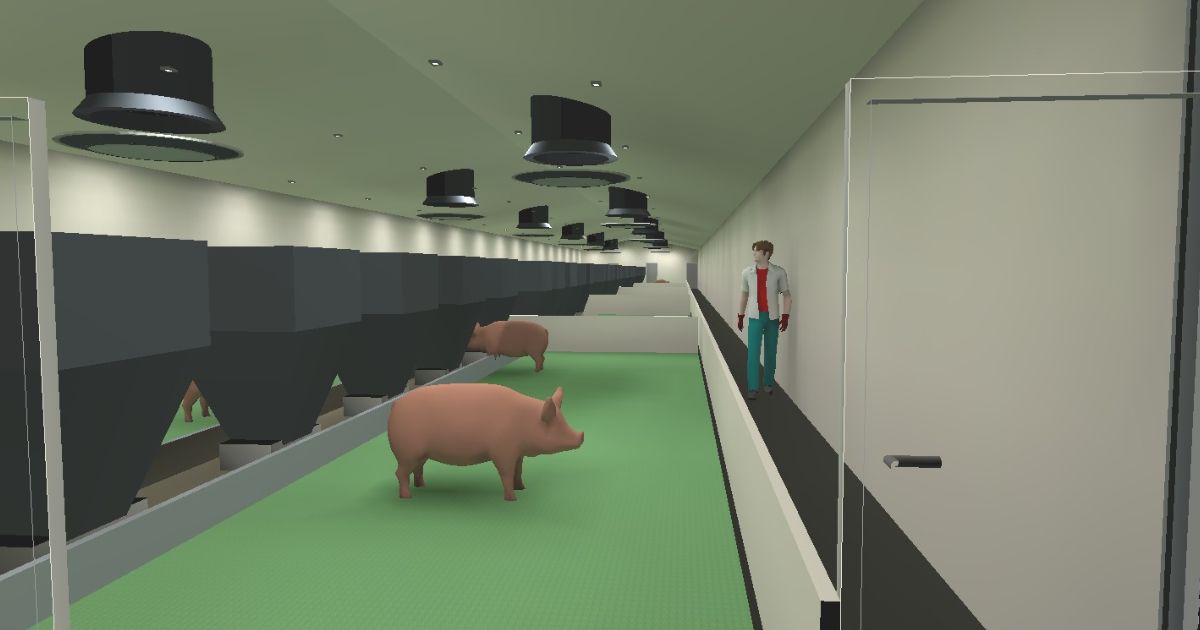
2. Real-World Results: A Case Study from A Local Pig Farm
The advantages of upgrading to specialised lighting aren't just theoretical; they're backed by data from progressive farms. At a high-throughput operation in South Africa, weaning 1,100 - 1,300 pigs weekly, tail biting was a persistent challenge, leading to substantial losses.
Before installing Sunbird's durable piggery lighting solutions:
- Weekly losses: 30 - 40 piglets due to tail biting (2.5% - 3.3% mortality per batch).
- Additional abattoir condemnations from spinal abscesses.
- Heightened joint infections and inflammation.
- Elevated stress for staff handling euthanasia.
After the upgrade to Sunbird's ammonia-resistant lights for swine barns:
- Losses plummeted to just 2 - 3 piglets per batch.
- Dramatic reduction in tail biting incidents.
- Enhanced overall welfare, with fewer secondary infections.
- Significant financial savings through lower mortality and medication needs.
As the farm team shared: "Our weaning batches vary between 1100 - 1300 pigs per week. Tail biting was highly problematic... After we installed your lights, the instances of tail bites dropped like a stone. That is a massive saving for us."
Tail biting doesn't always kill outright, but it sparks inflammation and complications like spinal abscesses, abattoir rejections, joint ill, stunted growth, and increased antibiotic reliance. While multi-factorial, reducing tail biting in pigs with proper lighting proved a game-changer here, highlighting how corrosion-resistant swine production lighting systems can restore balance in even the most demanding environments.
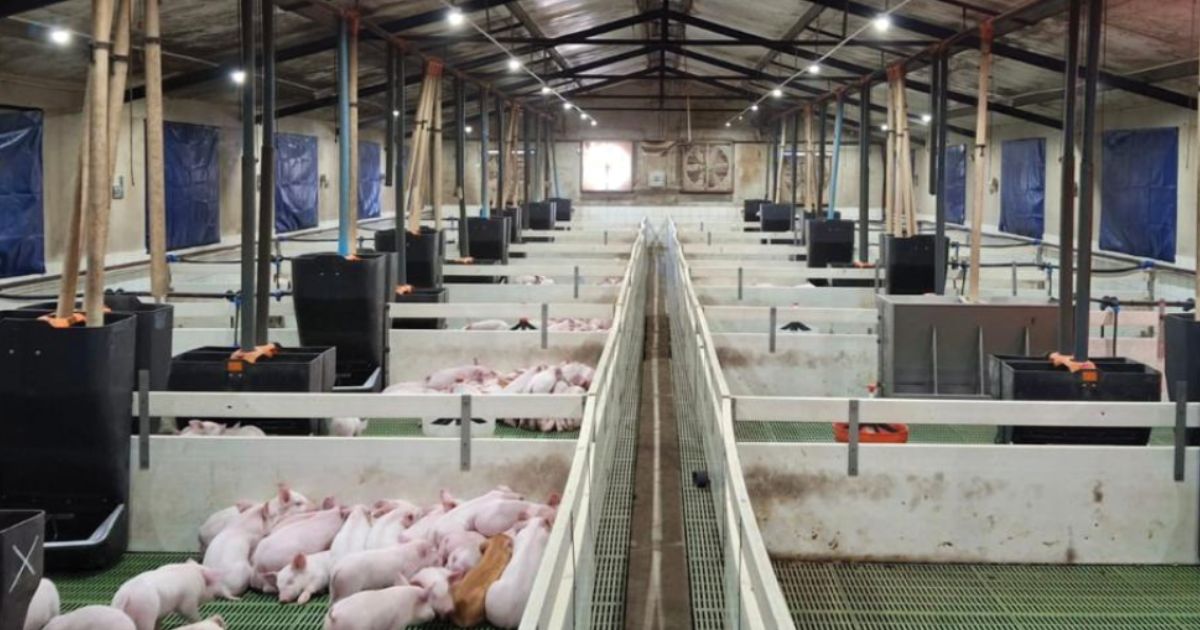
3. Improving Worker Morale and Efficiency
An often-underappreciated aspect of lighting for swine facilities is its psychological impact on farm personnel. In high-stakes commercial swine production, staff frequently deal with euthanising injured animals, which erodes morale over time.
Bright, even, calm hog barns lead to:
- Better visual inspections and early disease detection.
- Improved worker safety and reduced accidents.
- Higher workplace morale and lower emotional strain.
As noted by the farmer: "We tend to forget the psychological impact it has on our staff that not only works with the pigs, but are responsible to put down animals."
This uplift in stockmanship directly correlates with superior performance, making lighting upgrades a smart investment for operations focused on long-term sustainability.
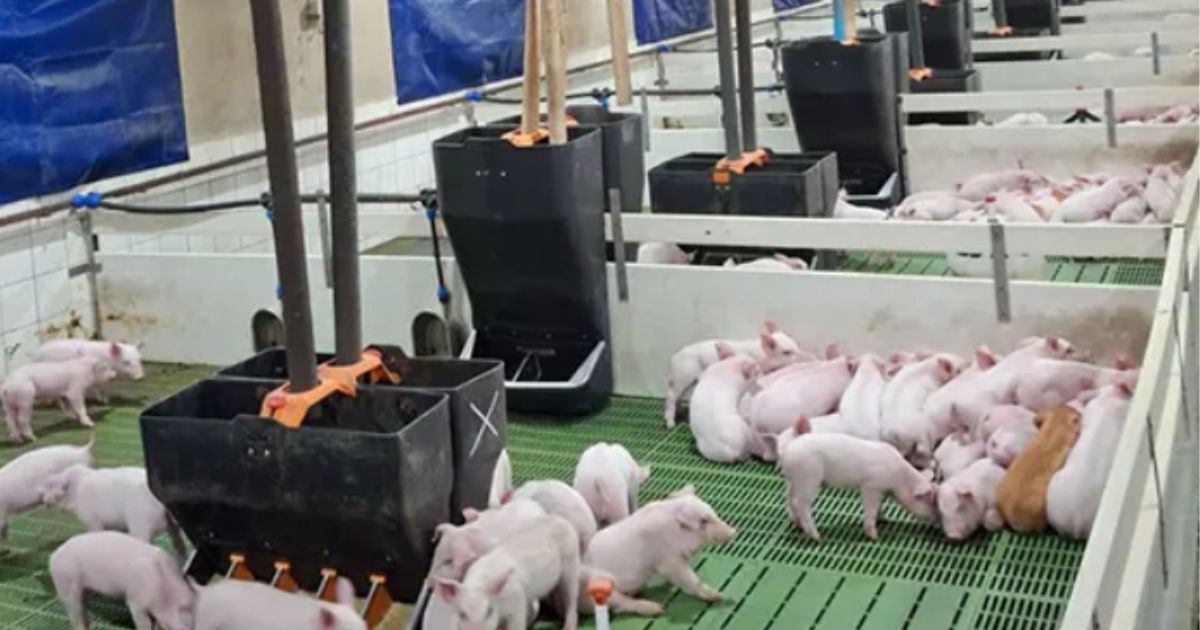
4. Why Standard Lights Fail in Hog Barns
Swine facilities are notoriously tough on equipment, with high ammonia levels, moisture, humidity, pressure wash-downs, corrosive gases, dust, and organic buildup. Conventional commercial lights simply can't endure, failing due to:
- Rapid corrosion.
- Electrical breakdowns.
- Seal failures.
- Inconsistent, flickering output.
These issues drive up maintenance costs, labour demands, downtime, and safety hazards. For experts seeking durable hog lighting solutions for harsh environments, the need for robust systems is clear.
5. Sunbird's Specialised Solution: Engineered for Excellence
Sunbird LED lights for swine facilities are built tough:
- Corrosion and ammonia resistance.
- Wash-down durability.
- Consistent, flicker-free output.
- Long-term, low-maintenance performance over years.
Unlike standard options that degrade quickly, Sunbird delivers lower lifetime costs, zero disruptions, stable conditions for swine, and predictable performance. When paired with proven reductions in mortality and welfare gains, it's a financially savvy choice for commercial operations.
.jpg)
6. Lighting as a Profit Driver in Modern Pork Production
Pork production thrives on marginal gains: better feed efficiency, lower mortality, fewer condemnations, faster gains, and reduced meds. If lighting cuts nursery mortality from 3% to near zero, the ROI on lighting upgrades in swine nurseries is substantial.
Lighting for swine facilities now ranks with ventilation, feed systems, genetics, and health, directly influencing behaviour, welfare, and profitability.
Conclusion: Elevate Your Operation with Sunbird
For too long, lighting in hog barns was geared toward humans, not swine. Progressive producers now recognise that behavioural stability, welfare-driven performance, staff productivity, and durable infrastructure are interconnected.
The above piggery feedback proves it: Dropping tail biting losses from 30 - 40 weekly to 2 - 3 isn't cosmetic, it's operational gold. If you're ready to harness the behavioural benefits of uniform lighting in pig housing or explore photoperiod control to minimise stress in commercial swine herds, contact Sunbird today for a consultation on our specialised LED lighting for commercial swine farms.
Don't let lighting remain an afterthought. Make it part of your success story.
Ready to upgrade? Visit our swine/pig lighting solutions page or request a free ROI assessment tailored to your operation.